
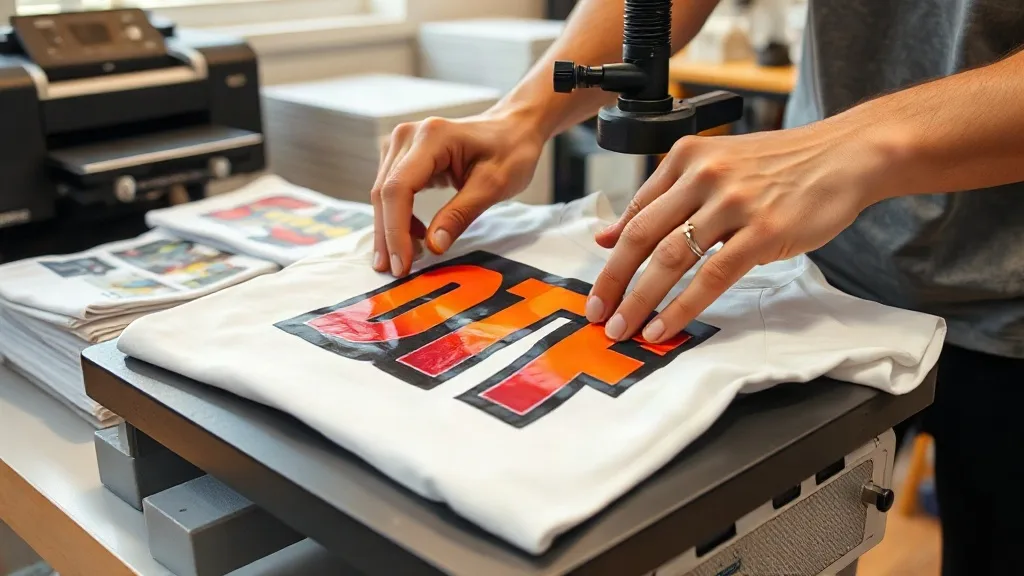
Custom apparel has never been more accessible, thanks to innovative printing technologies like dtf transfers. Whether you're a small business owner looking to create branded merchandise or a hobbyist wanting to personalize gifts, understanding DTF transfers can open up a world of possibilities. In this guide, we'll dive into what DTF transfers are, how they work, and why they might be the perfect solution for your next project.
What Are DTF Transfers?
DTF stands for Direct to Film. It's a printing method where your design is printed onto a special film, then coated with a adhesive powder and cured. The resulting transfer can be applied to various fabrics using a heat press. Unlike other methods, dtf transfers work on almost any fabric, including cotton, polyester, blends, and even nylon. This versatility makes them a favorite among apparel decorators.
The DTF Printing Process
The process begins with a digital printer that prints your design onto a PET film using specialized DTF inks. While the ink is still wet, a fine powder (often called hot melt adhesive) is applied. The film is then heated to melt the powder, creating a flexible, durable layer. Once cooled, the transfer is ready to be pressed onto fabric. The result is a vibrant, soft print that stretches with the fabric and withstands repeated washing.
Why Choose DTF Transfers?
There are several reasons why DTF transfers have gained immense popularity in the custom apparel industry.
- No color limitations: DTF printers can produce full-color designs without the need for separate screens or color separations. This means you can print complex, photorealistic images with gradients and fine details.
- Works on multiple fabrics: As mentioned, DTF transfers adhere well to cotton, polyester, blends, and even treated nylon. This eliminates the need for different transfer types for different garments.
- Durability: When applied correctly, DTF transfers are highly durable, resisting cracking, peeling, and fading. They can outlast the garment itself.
- Soft hand feel: Unlike some other transfer methods, DTF prints have a soft, flexible feel that doesn't stiffen the fabric.
- Cost-effective for small batches: DTF transfers are economical for short runs because there's no setup cost for screens or plates. You can order as few as one transfer.
DTF vs. Other Printing Methods
How does DTF compare to screen printing, DTG, and vinyl? Screen printing is cost-effective for large orders but requires setup and works best on flat cotton. DTG (Direct to Garment) is great for cotton but can be less vibrant on dark colors and has higher upfront costs. Vinyl is limited in color and detail. DTF bridges the gap: it offers the detail of DTG, the vibrancy of screen printing, and the versatility of vinyl, all without the need for pre-treatment or weeding.
Applications of DTF Transfers
DTF transfers are used across a wide range of applications, from custom t-shirts and hoodies to tote bags and home textiles. Small businesses use them for on-demand printing, while larger brands incorporate them into their production lines. Because DTF transfers can be stored and shipped easily, they're also popular for online sellers who want to offer custom products without holding inventory.
Finding DTF Transfers Near You
If you're looking to get started with DTF transfers, you might be wondering where to find them. Searching for dtf transfers near me can help you locate local suppliers or print shops that offer DTF services. Many online retailers also provide DTF transfer services with quick turnaround and shipping. When choosing a supplier, consider factors like print quality, turnaround time, and customer reviews.
How to Apply DTF Transfers
Applying DTF transfers is straightforward with a heat press. Here's a step-by-step guide:
- Preheat your heat press to the recommended temperature (usually around 300-325°F or 150-160°C).
- Place the garment on the press and pre-press for a few seconds to remove moisture.
- Position the DTF transfer on the garment with the printed side facing up.
- Press with medium pressure for 10-15 seconds.
- Allow the transfer to cool completely before peeling the film. Peeling while hot can cause the design to lift or distort.
- For best durability, you can do a second press with a Teflon sheet or parchment paper for another 5-10 seconds.
Always follow the specific instructions provided by your transfer supplier, as times and temperatures may vary.
Tips for Success with DTF Transfers
- Choose the right fabric: While DTF works on many fabrics, some may require adjusted pressing parameters. Test on a scrap piece first.
- Store transfers properly: Keep unused transfers in a cool, dry place away from direct sunlight to prevent the adhesive from curing prematurely.
- Use a quality heat press: Consistent temperature and pressure are key to a successful application. A clamshell or swing-away press works well.
- Wash inside out: To prolong the life of the print, turn garments inside out and wash in cold water. Avoid harsh detergents and high heat in the dryer.
Common Mistakes to Avoid
Even experienced users can run into issues. Here are a few common pitfalls:
- Pressing at too high a temperature, which can scorch the fabric or melt the transfer.
- Peeling too soon, leading to incomplete adhesion.
- Not applying enough pressure, resulting in poor durability.
- Using the wrong type of film for the fabric (e.g., using a transfer designed for cotton on polyester).
By avoiding these mistakes, you'll achieve professional-looking results every time.
Frequently Asked Questions About DTF Transfers
What is the difference between DTF and DTG printing?
DTF (Direct to Film) involves printing on a film and transferring to fabric, while DTG (Direct to Garment) prints directly onto the fabric. DTF works on more fabrics and doesn't require pre-treatment, but DTG can produce a softer feel on cotton. Both have their strengths, and the choice depends on your specific needs.
Can I use DTF transfers on dark colors?
Yes, DTF transfers work beautifully on dark fabrics because a white ink layer is typically printed underneath the color inks, ensuring vibrant colors pop. This is a major advantage over some other methods.
How long do DTF transfers last?
With proper application and care, DTF transfers can last as long as the garment itself. They are resistant to cracking, peeling, and fading, even after many washes.
Do I need a special printer for DTF transfers?
You can either purchase a dedicated DTF printer or buy pre-printed transfers from a supplier. For most small businesses and hobbyists, buying transfers is more cost-effective and requires less maintenance.
Where can I buy DTF transfers?
Many online suppliers offer DTF transfers, and you can also find local print shops that provide the service. When searching for dtf transfers near me, read reviews and compare prices to ensure quality.
DTF transfers have revolutionized the custom apparel industry with their versatility, durability, and ease of use. Whether you're creating a single custom shirt or launching a full clothing line, DTF transfers offer a reliable and high-quality solution. With the right knowledge and tools, you can achieve professional results that impress your customers.