
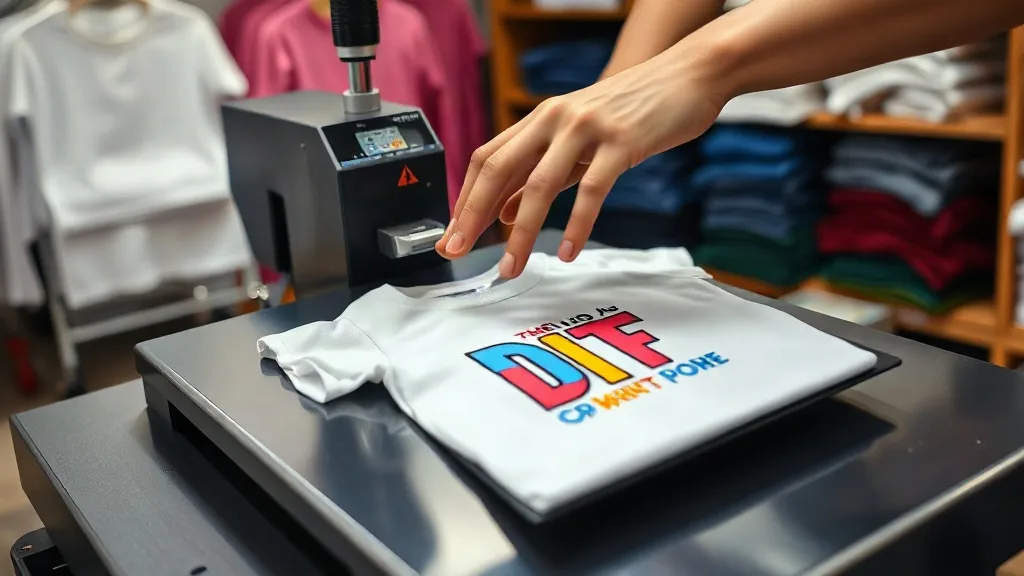
When a customer asks you to print on a toddler's onesie or a child's team jersey, the stakes feel different. The garment is small, the margins are tight, and the expectations are high. Parents want prints that survive countless washes, and they want to be sure nothing harmful is pressed into something their child will wear against their skin. DTF transfers offer a practical solution for decorating kids' apparel, but they demand a slightly different approach than printing on adult tees.
In this guide, I'll share what I've learned from pressing thousands of children's garments in my own shop. We'll cover everything from choosing the right blanks to adjusting your heat press settings and ensuring the final product is safe and comfortable. Whether you're new to dtf printing or looking to expand into kids' clothing, these insights will help you avoid common pitfalls and deliver results that parents will love.
Why DTF Transfers Work Well for Kids' Clothing
Kids' apparel is a tough market. Children are hard on their clothes, and parents expect them to last through repeated washing and heavy play. Traditional screen printing can be cost-prohibitive for small runs, and vinyl can feel stiff and crack over time. DTF transfers, on the other hand, offer vibrant colors, fine detail, and a soft hand that works well on the small, curved surfaces typical of children's garments.
One of the biggest advantages is the ability to print full-color designs without minimums. If a customer wants a single custom onesie for a baby shower, DTF makes it economically viable. The transfers are also durable, holding up to dozens of wash cycles when applied correctly. For a printer, this means you can offer a wide range of designs and sizes without tying up capital in inventory.
Understanding the Fabric Landscape for Kids' Apparel
Children's clothing comes in a variety of fabrics, each with its own quirks. Cotton is the most common and takes DTF transfers beautifully. Blends like cotton-poly are also popular and generally work well, though you may need to adjust your press settings slightly. Avoid garments with high synthetic content or special finishes (like water-repellent coatings) unless you've tested them first.When sourcing blanks, look for soft, breathable fabrics that are comfortable for kids. Heavyweight cottons can be too stiff for tiny bodies, so consider lighter-weight options. Also, check for flat seams and tagless labels, as these details matter for comfort. If you're looking for reliable blank tees, Heavyweight Blank Tees offers a range of options that work well for DTF, though you'll want to size down for children's sizes.
Preparing Your Press for Small Garments
Small garments present a unique challenge: they don't always sit flat on the press, and it's easy to scorch them if you're not careful. Here are a few tips to get consistent results.
Use a Smaller Platen or Pressing Pad
If you have a heat press with interchangeable platens, switch to a smaller size for kids' clothing. This allows you to focus heat and pressure exactly where you need it without crushing the rest of the garment. If you don't have a smaller platen, you can use a pressing pad or a folded piece of fabric to build up the area around the print, ensuring even pressure.
Adjust Temperature and Pressure
Children's fabrics are often thinner than adult counterparts, so you'll want to lower your temperature slightly to avoid scorching. A good starting point is 280°F to 300°F (138°C to 149°C), but always check the fabric care label. Pressure should be firm but not excessive; too much pressure can cause the transfer to spread or the fabric to shine. I recommend doing a test press on a scrap piece of the same fabric before committing to the final garment.
Mind the Time
Because the fabric is thinner, the transfer may adhere more quickly. Start with 10-12 seconds and check the bond. If the transfer peels up at the corners, increase the time by 2-3 seconds. Over-pressing can lead to a stiff hand or even damage to the fibers, so err on the side of caution.
Safety Considerations for Children's Apparel
Parents are understandably cautious about what goes on their children's skin. While DTF transfers are generally considered safe when applied correctly, there are a few points to keep in mind.
- Use quality inks and films: Ensure your DTF supplies are free from harmful substances. Reputable suppliers provide material safety data sheets (MSDS) that confirm compliance with safety standards.
- Avoid excessive thickness: A thick, heavy print can be uncomfortable and may even pose a choking hazard if it peels off. Make sure the transfer is properly bonded and trimmed closely.
- Check for small parts: If you're adding transfers to items like hats or small accessories, ensure they are secure and cannot be pulled off by curious fingers.
It's also a good idea to include care instructions with the finished garment, advising parents to wash inside out and avoid high heat. This prolongs the life of the print and reduces the risk of peeling.
Designing for Tiny Garments
Designing for kids' clothing is not just about scaling down adult designs. Small garments have limited space, and intricate details can get lost. Here are some design tips to keep in mind.
Keep It Simple and Bold
Large, simple shapes and bold colors work best on small garments. Avoid tiny text or overly complex graphics that may not read well at a small size. If you must include text, use a clean, sans-serif font and ensure it's at least 0.25 inches tall for legibility.
Consider Placement
On a onesie or toddler tee, the chest area is small, so center your design carefully. For larger kids' sizes, you have more flexibility, but still avoid placing the print too close to seams or edges where it might peel. Also, think about the child's comfort: a large, stiff print on the chest can be irritating, so consider softer, more flexible transfers for sensitive areas.
Test, Test, Test
Always press a sample of your design on the actual garment before producing a batch. What looks good on screen may not translate well to a tiny shirt. I've learned this the hard way after printing a detailed logo that turned into an unrecognizable blob on a 3T tee.
Sourcing Blanks for Kids' Apparel
Finding high-quality blanks in children's sizes can be a challenge. Many major blank suppliers focus on adult sizes, leaving a gap in the market. Here are a few strategies to source blanks that work well for DTF.
- Look for specialist children's blanks: Some brands specialize in kids' clothing and offer a range of sizes from newborn to youth. These blanks are designed with children's proportions in mind, so they fit better and are more comfortable.
- Consider retail blanks: If you're in a pinch, you can buy retail children's tees and remove the tags. Just be sure to check the fabric content and pre-wash to remove any sizing that might interfere with adhesion.
- Build relationships with suppliers: Talk to your local distributor about children's sizes. They may be able to order them for you even if they're not listed in the catalog.
When choosing blanks, prioritize softness and durability. Organic cotton is a great choice for sensitive skin, and it takes DTF transfers well. Also, consider the color: light colors are more forgiving if a transfer shifts slightly during pressing.
Common Pitfalls and How to Avoid Them
Even experienced printers run into issues with kids' apparel. Here are some of the most common problems and their solutions.
Peeling Transfers
Peeling usually happens because the transfer wasn't pressed long enough or with enough pressure. Make sure your press is preheated and the garment is flat. Use a Teflon sheet or parchment paper to protect the transfer during pressing, and always peel after the recommended time (hot or cold peel, depending on your film).
Scorching
Thin fabrics scorch easily. Lower the temperature and use a pressing pillow to lift seams and avoid double layers. If you notice a shiny mark, you've likely scorched the fabric; unfortunately, it's permanent, so prevention is key.
Designs That Are Too Stiff
Some DTF films produce a thicker hand than others. For kids' apparel, look for ultra-thin films or consider a soft-hand DTF powder. Also, avoid over-pressing, which can make the print feel like plastic.
Frequently Asked Questions
Can I use DTF transfers on organic cotton kids' clothing?
Yes, DTF transfers work well on organic cotton. Just be sure to pre-wash the garment to remove any natural oils or finishes that might affect adhesion. Use a lower temperature to avoid scorching, and always test a small area first.
What's the best way to wash kids' clothes with DTF prints?
Turn the garment inside out and machine wash cold on a gentle cycle. Avoid fabric softeners and bleach, and tumble dry on low or hang dry. Following these care instructions will help the print last through many washes.
Are DTF transfers safe for babies?
When applied correctly with quality materials, DTF transfers are safe for babies. Ensure the transfer is fully bonded and trimmed to avoid any loose edges. Avoid placing prints on areas that come into direct contact with the baby's mouth, such as the front of a bib.
How do I find dtf transfers near me for kids' apparel?
If you're looking for a local supplier of DTF transfers, search online for dtf transfers near me and check reviews. Many suppliers offer nationwide shipping, so you can also order from reputable online sources. For high-quality dtf transfers, consider established providers that specialize in apparel printing.
Can I print on both sides of a kids' garment?
Yes, but be careful with thin fabrics. Pressing both sides can cause the print to show through or stiffen the garment. Use a pressing pillow and lower pressure to avoid flattening the fabric. Alternatively, choose one side for the main design and add a small accent on the other.
Printing for kids' apparel is rewarding but requires attention to detail. By following these guidelines, you'll be able to deliver safe, comfortable, and durable garments that parents will appreciate and children will love to wear.