
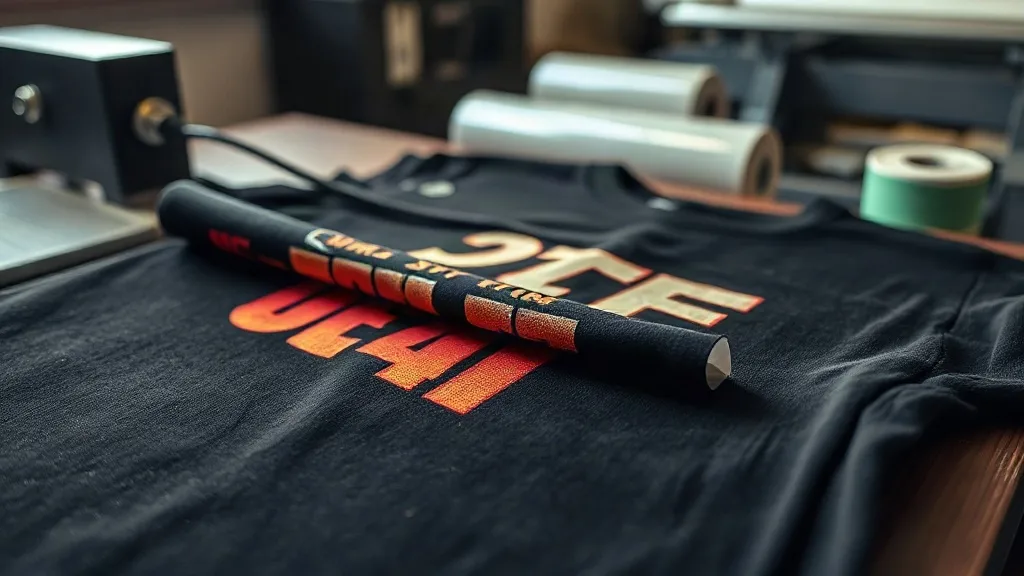
Custom apparel has never been more accessible, thanks to innovative printing technologies that bring bold designs to life. Among these, dtf transfers have emerged as a game-changer, offering vibrant colors, intricate details, and remarkable durability. Whether you're a small business owner looking to expand your product line or a DIY enthusiast wanting to create personalized gifts, understanding DTF printing can unlock a world of creative possibilities. In this guide, we'll dive deep into what DTF transfers are, how they work, and why they might be the perfect solution for your next project.
What Are DTF Transfers?
DTF stands for Direct to Film. It's a printing method where your design is printed onto a special film, then coated with a powder adhesive and heat-pressed onto fabric. Unlike other methods that require special pretreated shirts, dtf transfers work on a wide range of materials, including cotton, polyester, blends, and even dark colors. The process involves printing with water-based pigments onto a PET film, applying a thermoplastic polyurethane (TPU) powder, and then curing the powder to create a transfer that can be stored and used later.
The result is a soft, stretchable print that adheres firmly to the fabric. Because the design is printed on film first, you can achieve photographic-quality images with gradients, fine lines, and small text that other methods might struggle with. This versatility makes DTF a favorite among apparel decorators who demand both quality and flexibility.
How DTF Transfers Work: Step by Step
Understanding the DTF process helps you appreciate its capabilities and ensures you get the best results when using it. Here's a breakdown of the key steps:
- Design Preparation: Your artwork is prepared digitally. DTF printers can handle complex designs, so you're not limited to simple vector graphics.
- Printing: The design is printed onto a special film using a DTF printer with pigment inks. The printer lays down a layer of white ink first (if needed) and then the colors.
- Powder Application: While the ink is still wet, TPU adhesive powder is applied evenly over the printed area. Excess powder is shaken off.
- Curing: The film is then heated to melt the powder, creating a solid adhesive layer. This step is crucial for durability.
- Transfer: The cured film is placed on the fabric and heat-pressed. The adhesive melts and bonds with the fibers, and the film is peeled away (hot or cold peel, depending on the film type).
Each step requires attention to detail, but the process is relatively straightforward once you have the right equipment. Many companies offer pre-printed DTF transfers, so you can skip the printing and curing steps and simply apply the transfer to your garments.
Why Choose DTF Transfers Over Other Printing Methods?
With so many printing options available, you might wonder what sets DTF apart. Here are some compelling reasons:
- Vibrant Colors and Fine Details: DTF printers use high-quality pigments that produce rich, saturated colors. The technology excels at reproducing intricate details, making it ideal for photographic designs, complex logos, and small text.
- Works on Almost Any Fabric: Unlike DTG (Direct to Garment) which requires 100% cotton for best results, DTF adheres well to cotton, polyester, blends, and even synthetic fabrics. It's also effective on dark colors without the need for a white underbase in the design.
- No Pretreatment Required: DTG printing often requires pretreating the shirt to improve ink adhesion and color vibrancy. DTF eliminates this step, saving time and reducing costs.
- Soft Hand Feel: Despite the adhesive layer, DTF prints have a relatively soft hand feel, especially compared to vinyl or screen printing. They stretch with the fabric without cracking.
- Durability: When applied correctly, DTF transfers withstand repeated washing without fading, peeling, or cracking. The TPU adhesive forms a strong bond that outlasts many other types of prints.
- Cost-Effective for Small Runs: Setting up screen printing for small batches can be expensive due to screen and setup costs. DTF transfers are economical for short runs and one-offs, as there are no minimums and you can print as many or as few as you need.
- Storage and Shipping: DTF transfers are lightweight and can be stored for extended periods. They're easy to ship, making them perfect for on-demand printing or remote application.
Applications of DTF Transfers
The versatility of DTF transfers opens up a wide range of applications. Here are some popular uses:
Custom T-Shirts and Apparel
From personalized tees for events to branded uniforms, DTF transfers deliver professional-quality results on various garment types. They're especially popular for creating detailed designs on dark shirts, where other methods might require multiple steps.
Sportswear and Activewear
Because DTF prints stretch with the fabric, they're ideal for athletic wear. The prints won't crack or peel when the garment is stretched during movement, ensuring longevity even with frequent use.
Promotional Items
Small businesses and organizations often use DTF transfers for promotional merchandise like tote bags, hats, and aprons. The ability to print small quantities cost-effectively makes it a go-to choice for giveaways and events.
Home Decor and Accessories
DTF isn't just for clothing. You can apply transfers to pillows, curtains, and other fabric items to add personalized touches to your home decor.
DTF vs. Other Printing Methods: A Comparison
To help you decide if DTF is right for your needs, let's compare it to other common printing techniques.
DTF vs. Screen Printing
Screen printing is known for its durability and vibrant colors, but it requires separate screens for each color, making it costly for multi-color designs and small runs. DTF excels in multi-color and detailed designs without setup fees, making it more accessible for short runs. However, for large orders of simple designs, screen printing can be more economical.
DTF vs. DTG
DTG printing is excellent for 100% cotton shirts and produces a soft, breathable print. However, it requires pretreatment and doesn't work well on synthetic fabrics. DTF works on almost any fabric and doesn't need pretreatment, but the hand feel can be slightly thicker due to the adhesive layer. For polyester and blends, DTF is often the better choice.
DTF vs. Vinyl
Heat transfer vinyl (HTV) is great for simple designs and personalization, but it's limited in color and detail. Layering multiple colors can be time-consuming, and intricate designs are difficult to achieve. DTF handles complex, full-color designs with ease and offers a softer feel than layered vinyl.
Tips for Successful DTF Application
To ensure your DTF transfers look great and last long, follow these best practices:
- Choose the Right Fabric: While DTF works on many fabrics, tightly woven materials like cotton and polyester blends yield the best results. Avoid fabrics with heavy textures or coatings.
- Pre-Press the Garment: Before applying the transfer, press the garment for a few seconds to remove moisture and wrinkles. This helps the transfer adhere evenly.
- Follow Heat Press Settings: Each transfer type may have specific temperature, pressure, and time recommendations. Typically, temperatures range from 300°F to 350°F (150°C to 175°C) for 10-15 seconds. Always check the instructions provided with your transfers.
- Peel Carefully: Some films require hot peel, others cold peel. Peeling at the wrong temperature can ruin the transfer. Test a small corner first if unsure.
- Post-Press for Durability: After peeling, press the garment again for a few seconds with a protective sheet or parchment paper to ensure the adhesive fully bonds.
- Wash Inside Out: To extend the life of your DTF-printed garments, wash them inside out in cold water and tumble dry low. Avoid ironing directly on the print.
Common Questions About DTF Transfers
Can I apply DTF transfers to dark-colored shirts?
Absolutely. DTF transfers are particularly effective on dark fabrics because the white ink layer in the transfer provides a bright base for the colors to pop. You don't need to alter your design; the printer automatically adds white ink where needed.
How durable are DTF transfers after washing?
When applied correctly, DTF transfers can withstand 50+ washes without significant fading or peeling. Following proper washing instructions (cold water, inside out, low heat) will maximize longevity.
Do I need special equipment to apply DTF transfers?
A heat press is essential for professional results. While you can use a home iron, the pressure and consistency of a heat press ensure proper adhesion and durability. Many suppliers offer pre-printed transfers that require only a heat press to apply.
What fabrics are not suitable for DTF?
DTF adheres best to fabrics with a smooth surface. Highly textured fabrics (like ribbed knits or fleece) may not provide enough contact for the adhesive to bond properly. Also, fabrics with water-repellent coatings may prevent adhesion. Always test on a swatch first.
Can I layer DTF transfers?
Yes, you can layer DTF transfers, but it's recommended to apply them one at a time, pressing each layer before adding the next. This ensures proper adhesion and avoids uneven melting.
Conclusion
DTF transfers have revolutionized the custom apparel industry by offering unmatched versatility, vibrant colors, and durability. Whether you're a hobbyist or a professional decorator, understanding this technology can help you create stunning, long-lasting garments. With the tips and insights shared here, you're well-equipped to explore the world of DTF printing and take your projects to the next level. Remember, quality transfers and proper application are key to achieving the best results. So why not give DTF a try and see the difference for yourself?